How to Organize Customer Payment Tracking and Prevent Late Payments
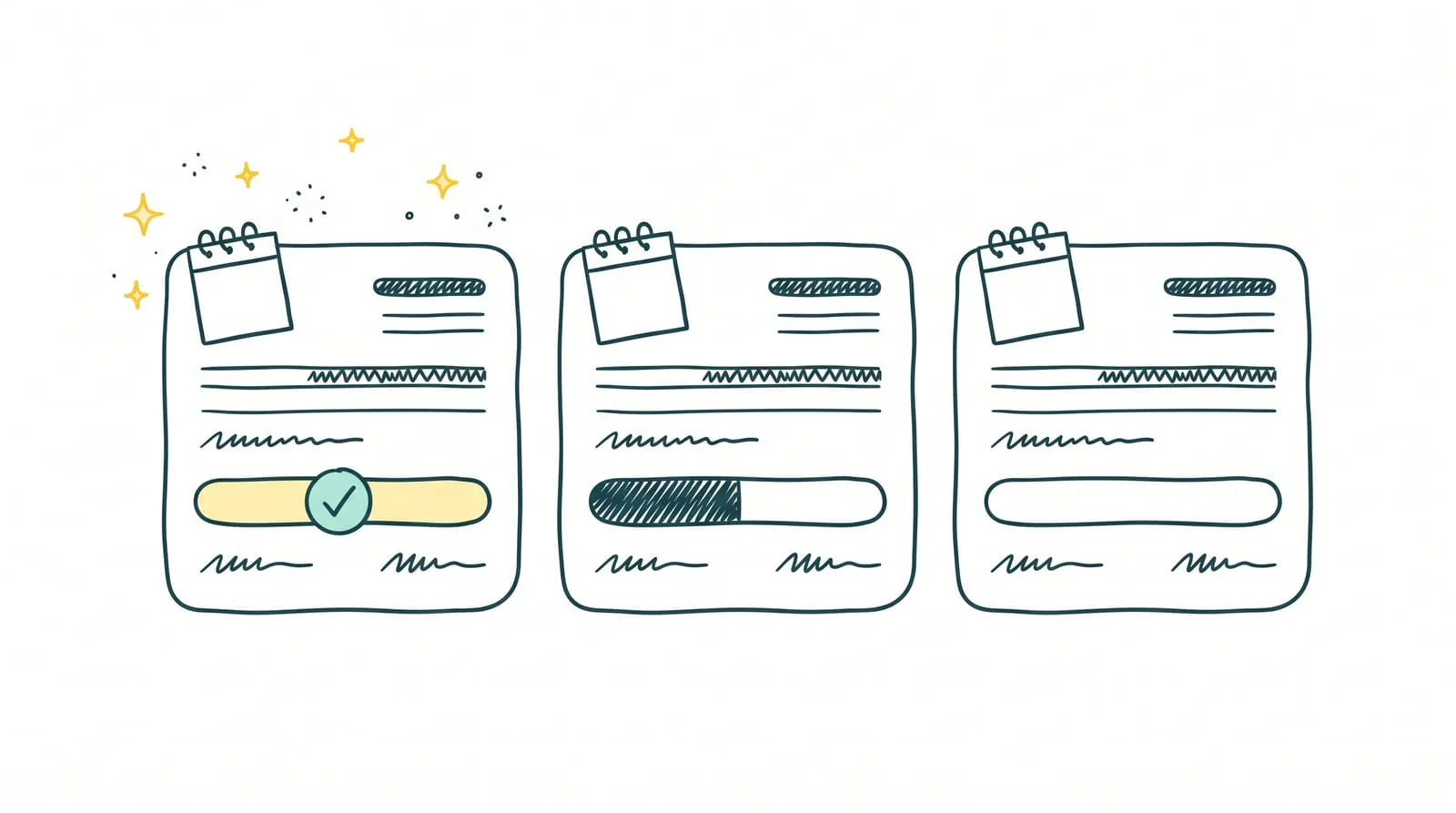
An invoice reaches its due date, one customer announces a transfer, and another pays only part of the amount. Without accurate tracking, outstanding amounts become difficult to distinguish from payments already received. Reminders go out late or concern invoices that have already been paid.
Customer payment tracking shows what is still owed, by whom, and for how long. It links each invoice to its due date, received payments, and the next required action. For a small or midsize business, this visibility helps anticipate cash receipts and address delays before they accumulate.
Effective tracking relies on current information and appropriate actions: verifying a payment, reminding a customer of a due date, providing a missing document, or resolving a dispute. Each invoice retains a clear status until it is paid in full.
Key takeaways
- Customer payment tracking covers each invoice until it is paid in full. It centralizes due dates, amounts received, and outstanding balances.
- An up-to-date status helps determine the right action. Overdue invoices, partial payments, and disputes require different responses.
- Every reminder requires a check of received payments. A payment that has been received but incorrectly allocated can lead to an unjustified request.
- Sanso handles payment tracking and reminders within the business's existing tools. It automates up to 95% of the financial operations it handles, with humans handling the remaining 5%.
What Is Customer Payment Tracking?
Customer payment tracking means monitoring issued invoices, due dates, and received payments until each invoice is paid in full. For each invoice, the business knows the outstanding balance, payment status, and next action to take.
- An invoice for $1,200 with $800 paid therefore retains a $400 balance. Tracking records this partial payment so only the remaining amount is requested. If the customer disputes that balance, the record should also explain the disagreement and identify the person responsible for resolving it.
Tracking covers every invoice, including those that are not yet due. A payment reminder is one action within this process: it reminds the customer of an amount to pay. Debt collection covers the steps taken to obtain payment of an overdue debt, through voluntary resolution or legal proceedings.
Why Track Customer Payments Regularly? 3 Benefits
Benefit 1: Anticipate Cash Receipts and Cash Flow Needs
An issued invoice represents money to receive, rather than available cash. Tracking distinguishes payments received, upcoming due dates, and overdue amounts. The business can adjust its forecasts before paying suppliers, payroll, or other expenses.
A promised transfer remains an expected receipt until the payment appears in the bank account. Maintaining this distinction prevents spending based on an uncertain payment.
Benefit 2: Identify Overdue Payments Before They Accumulate
An overdue invoice calls for a check: did the customer receive it? Is a purchase order reference missing? Is payment awaiting internal approval? Regular tracking helps identify the obstacle while the details are still recent.
Every overdue invoice needs a next action and an owner. Without this structure, an initial reminder can go unanswered for weeks even when the unpaid amount appears in the tracking spreadsheet.
Benefit 3: Avoid Incorrect Reminders and Unnecessary Exchanges
A partial payment, a credit memo, or an unidentified transfer changes the amount to request. If tracking does not account for these items, the business risks requesting the full amount of an invoice that has already been partially paid.
Checking received payments and the remaining balance before every reminder helps produce an accurate request. The customer receives the correct references and amount; teams spend less time correcting messages and reconstructing the conversation history.
What Information Belongs in a Customer Payment Tracking Spreadsheet?
Each row represents an invoice, with its due date, associated payments, and outstanding balance.
👉 This structure makes it possible to track several invoices for the same customer without mixing up their dates or statuses.
| Information to record | Purpose |
|---|---|
| Customer name and payment contact | Send requests to the right person |
| Invoice number | Identify the exact amount being requested |
| Total invoice amount, including applicable taxes, and related credit memos | Calculate the amount due after any adjustments |
| Due date | Determine when payment becomes overdue |
| Dates and amounts of received payments | Retain receipt details, including partial payments |
| Outstanding balance | Request only the amount still unpaid |
| Invoice status | Distinguish invoices that are not yet due, overdue, partially paid, disputed, or paid in full |
| Latest communication and customer commitment | Retrieve useful information before making contact again |
| Next action, date, and owner | Assign follow-up and prevent cases from being neglected |
The outstanding balance equals the invoice amount minus applicable credit memos and allocated payments. An announced payment does not reduce this balance: only a payment actually received and identified allows it to be updated.
💡 Sanso tip: Separate the invoice due date from the promised payment date. Use two distinct fields: “invoice due date” and “promised payment date.” When a customer announces a transfer for the following week, retain the original due date and schedule a check for the promised date. The overdue status remains visible, and the promise gets its own follow-up.
How to Organize Customer Payment Tracking in 4 Steps
1. Verify Receipts and Identify the Relevant Invoices
Match each received payment to the correct invoice using the amount, reference, and payer's identity. One transfer can cover several invoices, and one invoice can receive several payments.
When a match is uncertain, keep the payment on a list of unidentified receipts. Check this list before any reminder to avoid requesting money already received.
2. Update Each Invoice's Balance and Status
After each identified payment, recalculate the outstanding amount. A partially paid invoice keeps its due date: if that date has passed, the remaining balance is overdue.
Record disputes separately. An invoice can be both partially paid and disputed. Tracking should identify the disputed amount and the reason for the disagreement.
3. Assign an Action, a Date, and an Owner
For every overdue invoice, define the action that will move payment forward: send a reminder, provide a missing document, verify a credit memo, or involve the sales representative to resolve a disagreement.
Replace vague notes with specific tasks. “Send the purchase order reference to accounts payable on Tuesday” explains what to do and when. Add the owner's name so the request receives follow-through.
4. Monitor Commitments Until Full Payment
When a customer promises payment, record the date, amount, and invoices involved. On the agreed date, verify that the payment was received and allocated.
If payment is missing, contact the customer again to identify the obstacle. If only part arrives, update the balance and clarify when the remainder is expected. Close tracking only when received payments and any substantiated credit memos cover the amount due.
Which Customers Should You Contact First?
Priority depends on the outstanding amount, how long payment has been overdue, and previous communications. A large invoice that has just become overdue deserves prompt attention. A smaller balance can also become a priority if the customer ignores several requests or misses commitments.
Before sending a reminder, identify the situation to choose a useful action:
✅ A forgotten invoice: state its number, due date, and outstanding balance, and attach the invoice.
✅ A payment blocked by a missing document: provide the requested document and obtain confirmation that the file is complete.
✅ A disputed invoice: clarify the reason for the dispute and involve the person who can resolve it.
✅ A broken payment promise: restate the promised date and amount, then ask what prevented payment and obtain a new, specific commitment.
The total amount owed by the same customer also matters. Several small overdue invoices can add up to a substantial amount. Combining them in a clear statement makes the discussion easier while preserving each invoice's due date.
When Should You Automate Customer Payment Tracking? Signs to Watch
Automation becomes useful when information changes faster than the team can update it. Invoice volume matters, but so does payment complexity: partial payments, combined transfers, multiple bank accounts, or multiple contacts.
Several signs indicate that manual tracking is reaching its limits:
❌ Invoices remain marked unpaid after payment is received.
❌ Several people update the spreadsheet without knowing the latest actions.
❌ Reminders are sent despite a dispute or payment commitment that requires specific handling.
❌ Teams spend more time finding information than resolving overdue payments.
❌ Promised payment dates pass without verification.
Automation can match payments to invoices, update balances, and trigger scheduled reminders. An action history also makes it easier for another team member to take over a case.
How Does Sanso Handle Customer Payment Tracking?

Identifying incoming transfers, updating invoices, and following up on overdue amounts requires regular work. Sanso handles these operations within the business's financial tools to keep tracking up to date.
Sanso automates up to 95% of the financial operations it handles and assigns the remaining 5% to humans. Its agents match receipts to invoices, track outstanding balances, and send reminders under the agreed rules. Ambiguous situations receive human review; disputes and special arrangements require appropriate handling.
Sanso connects to existing tools, including Pennylane. Teams gain centralized tracking and spend less time matching payments and sending repetitive reminders. They step in when a case requires a decision or a commercial discussion.
Contact the Sanso team to set up the service.
Delegate customer payment tracking to Sanso
Sanso handles payment matching, balance tracking, and reminders within your existing tools, with human support for exceptions.
Contact Sanso