Why Is Bank Reconciliation Important? 5 Benefits for Small Businesses
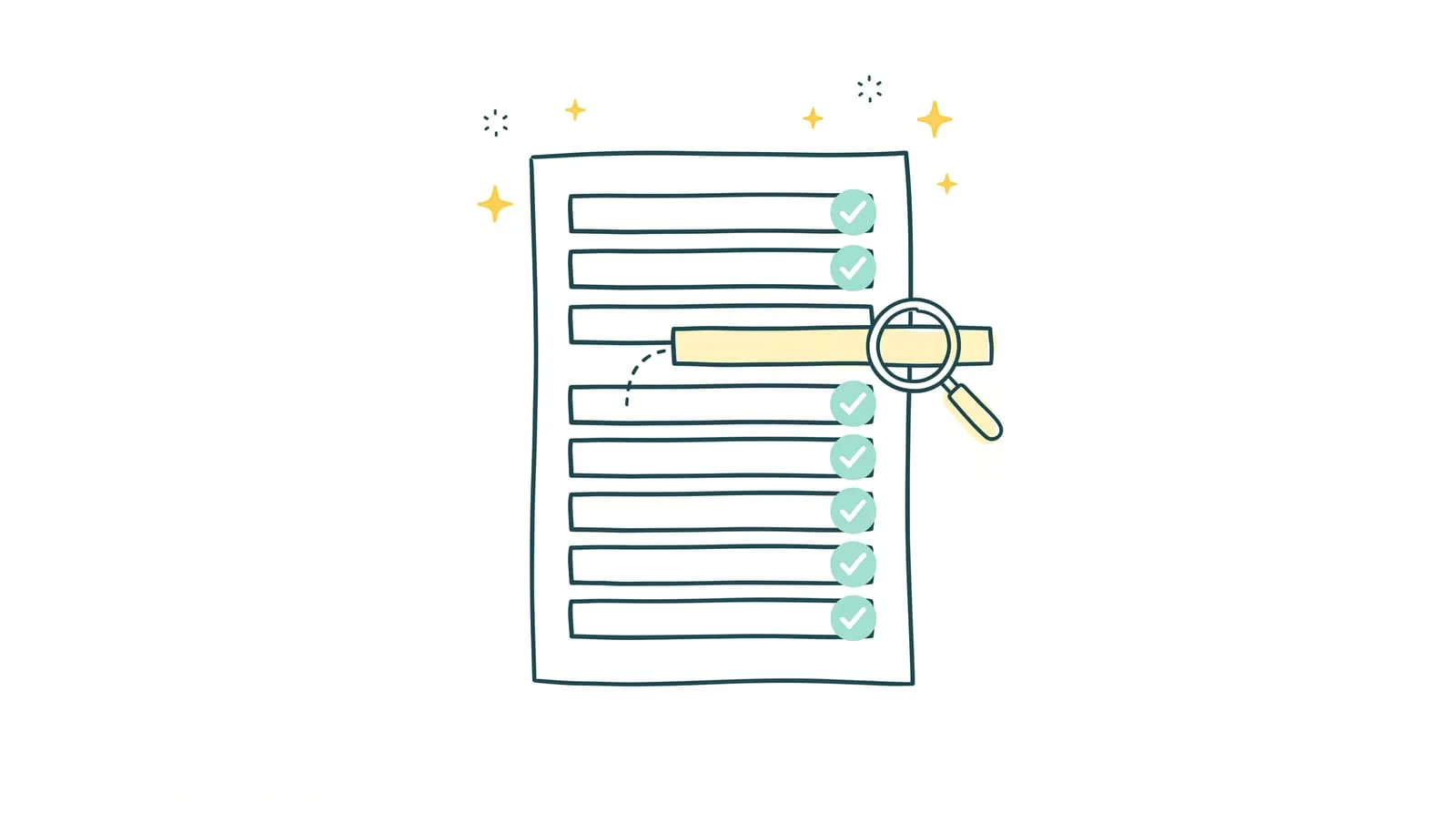
A customer pays an invoice but still receives a reminder. A supplier shows as paid in the books, yet the transfer remains pending. These differences complicate payment tracking and make cash balances harder to interpret.
Why is bank reconciliation important? → It helps identify errors and omissions, assess available cash, avoid chasing customers who have already paid, detect suspicious debits, and prepare for closing with documented accounts.
This review distinguishes a timing difference from an omission or duplicate. Small and midsize businesses gain more reliable information for tracking payments, committing to expenses, and preparing their financial close.
Key takeaways
- Bank reconciliation compares the bank statement with the general ledger cash account as of the same date. It verifies transaction matches and explains discrepancies.
- A discrepancy does not always mean there is an error. An outstanding check or a transaction still being processed can explain a temporary difference.
- Regular reviews identify omissions, duplicates, and unusual transactions. They improve accounting reliability and payment tracking.
- Sanso handles bank reconciliation within the business's existing tools. Its agents match transactions with supporting documents and route ambiguous cases for human review.
What Is Bank Reconciliation?
Bank reconciliation compares transactions on the bank statement with entries in the general ledger cash account as of the same date. It identifies discrepancies, explains their causes, and helps correct errors.
For example, a business records an $800 check issued to a supplier. Until the supplier deposits the check and it clears, the bank does not debit the account. The bank balance therefore exceeds the book balance by $800 without an error having occurred. Bank fees deducted but absent from the books, however, require an additional accounting entry.
Every difference needs an explanation. A timing difference remains tracked until it clears. An omission, duplicate, or amount error requires correction.
Bank reconciliation complements invoice-to-payment matching: the first verifies consistency between bank activity and the books; the second links invoices to payments to identify outstanding amounts.
👉 How to Do Bank Reconciliation in 6 Steps
Why Is Bank Reconciliation Important? 5 Benefits for Small and Midsize Businesses
1. Identify Missing or Duplicate Transactions
Bank fees go unrecorded. A payment appears twice after an import. Someone enters $540 instead of $450. These errors distort the books and can go unnoticed if no one compares individual transactions.
👉 Bank reconciliation helps identify missing transactions, duplicates, and incorrect amounts. Resolving them regularly avoids having to investigate months-old discrepancies during closing.
2. Assess Available Cash Before Committing to an Expense
The balance shown by the bank does not always reflect payments already recorded in the books. A check issued to a supplier may still be awaiting deposit. The money remains in the account even though it is committed to an expense.
👉 Reconciliation identifies these outstanding transactions and helps assess available funds before making another payment. It complements a cash flow forecast, which also includes upcoming payroll, taxes, supplier payments, and expected receipts.
3. Verify Payments Before Sending Customer Reminders
A customer pays from another company's account. A transfer covers several invoices. A partial payment arrives without a reference. The receipt appears in the bank, but invoices remain open until the payment is allocated correctly.
👉 Reconciliation, combined with matching payments to customer invoices, helps locate these receipts and establish the amount actually due. The business avoids requesting money it has already received, an error that creates unnecessary exchanges and damages customer relationships.
💡 Sanso tip: Check unapplied receipts before sending payment reminders. Keep a list of incoming transfers without an identified invoice, including the amount, date, and sender. Before sending reminders, compare this list with overdue invoices. If a match looks possible, pause the relevant reminder while checking the payment's origin, without marking the invoice as paid prematurely.
4. Identify Unusual Debits and Duplicate Payments
A canceled subscription continues to generate charges. A supplier receives two transfers for the same invoice. A transaction does not correspond to any known expense. Reviewing bank activity brings these situations to light.
👉 An unusual transaction is a signal to investigate. Checking the supporting document, recipient, and payment history helps establish the cause, then request a refund, dispute the debit, or correct the books as appropriate.
5. Prepare for Closing With Discrepancies Already Explained
Without regular reviews, closing concentrates all the research into one period: missing documents, inconsistent amounts, old transactions, and hard-to-identify payments. Teams must reconstruct activity they no longer remember clearly.
👉 Ongoing reconciliation preserves a record of discrepancies, their causes, and actions in progress. The accountant receives better-documented accounts, with identified corrections and clearly explained outstanding items. Discussions can focus on resolving issues rather than reconstructing their history.
How Often Should You Reconcile Bank Accounts?
Monthly reconciliation is a useful starting point for a small or midsize business. It identifies errors before they accumulate and allows supporting documents to be located while transactions are still recent. Waiting until year-end complicates checks: documents become scattered and teams forget payment details.
Frequency increases with transaction volume and monitoring needs:
✅ Monthly, when transactions are limited and easy to identify.
✅ Weekly, when customer receipts, direct debits, and supplier payments increase, or cash requires closer monitoring.
✅ On an ongoing basis, when the business handles numerous payments, multiple bank accounts, or combined payouts.
Resolving identified errors remains essential. Daily checks lose their value if unidentified payments and missing entries remain unresolved. Even with continuous automation, periodic reviews of balances and outstanding discrepancies remain necessary.
Why Delegate Bank Reconciliation to Sanso?
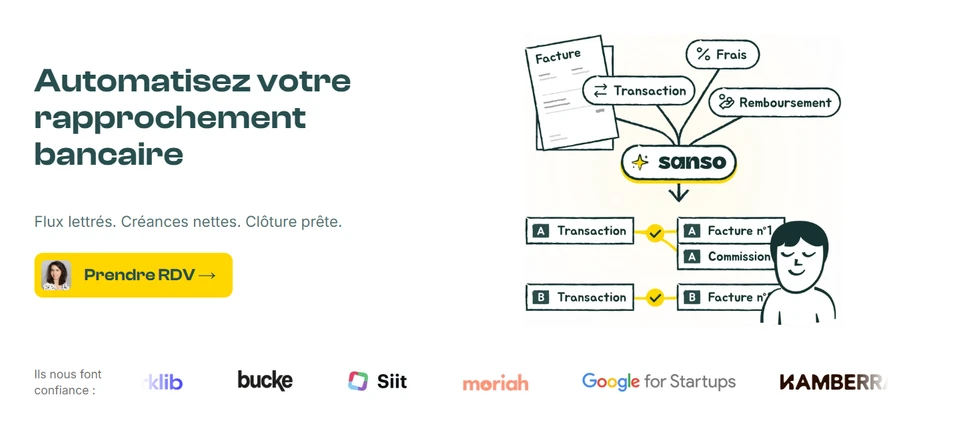
Bank reconciliation takes time well beyond matching transactions: finding an invoice, identifying a transfer, explaining a partial payment, or checking an amount. As transactions accumulate, this research delays accounting updates and payment tracking.
Sanso automates up to 95% of the financial operations it handles and assigns the remaining 5% to humans. This rate covers the broader scope of its financial services, rather than bank reconciliation alone. Its agents collect supporting documents and match transactions with the corresponding invoices, fees, and credit memos. Ambiguous transactions require human review: a payment without a reference or an uncertain match is not approved blindly.
Sanso handles bank reconciliation, from automation through human exception handling. Contact the Sanso team to set up the service.
Delegate bank reconciliation to Sanso
Sanso handles routine transactions and exception tracking within your existing tools, with AI agents and human support.
Contact Sanso